What are the topics of the conference?

"Designed to Desire"
We live in a world where what we desire is increasingly calculated. Algorithms, data, and studies of our behavior shape what we see, what we want, and how we consume, often appealing to emotion more than reason. In an environment saturated with stimuli and recommendations, desire doesn’t appear only as a personal impulse: it can also be pushed, accelerated, or steered by systems designed to capture attention and turn it into action.
This theme invites us to examine that mechanism from the inside: as people who consume, but also as people who can understand how these experiences are built and what effects they have on our decisions. Understanding this system can give us back a margin of agency and responsibility, not only to choose more thoughtfully, but also to ask ourselves how we want to influence others when we’re the ones designing products, messages, or experiences. What changes when we stop seeing ourselves only as consumers and start seeing ourselves as interpreters, and even designers, of the forces that shape our choices?
Subtopics
The following texts delve into the main ideas of each of the subtopics of this edition.
Redefining Consumption

Overconsumption is defined as the excessive use of resources, goods and services, therefore leading to environmental, social and psychological effects. According to global trends, it´s at the highest it's ever been, however the global standard of living is on the rise. This poses the question: Should we change? If the answer is yes, then: What must we change?
During the past decades multiple initiatives for change have been at work, in an attempt to decrease overconsumption's negative sideffects. Some of these initiatives may be governmental policies, a mindset shift towards consumption, in the form of technological innovation or even a change in business practices. Seeing as these initiatives could have such a meaningful impact on people's lives, it seems imperative to critically assess them. How efficient is an initiative in achieving its objective? What is the ethics behind an initiative? What will be the repercussions, positive and negative, of implementing an initiative? Is it feasible to integrate an initiative into a business or community?
Going back to the beginning: Should we change? If so, then what must change? The answer to this question isn´t simple, but analyzing past and current initiatives, understanding our past successes and failures, may be the right place to start looking into the future.
The Gilded Cage
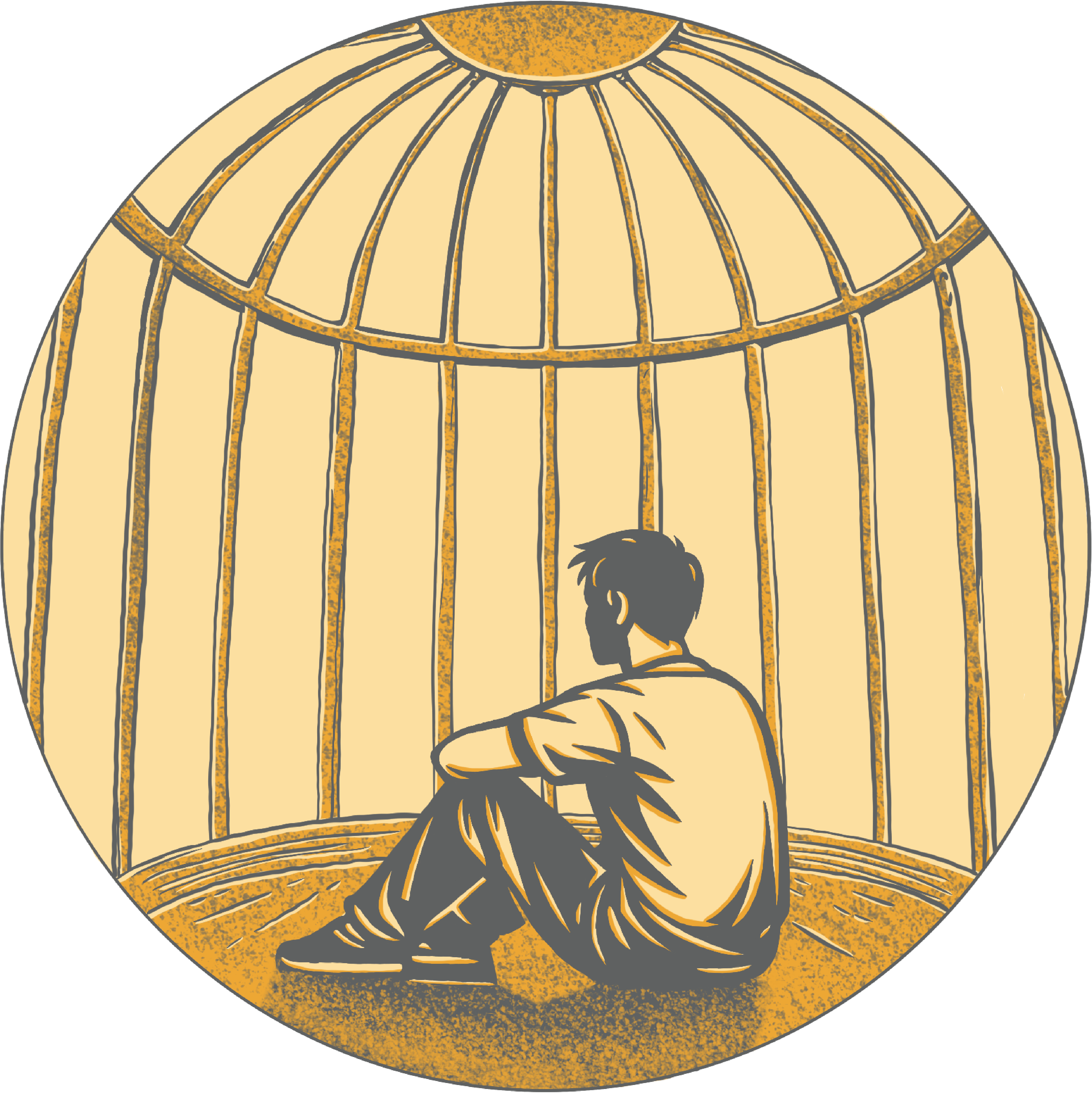
Digital consumption today feels comfortable, shiny, and full of promises: everything is within reach, everything is immediate, everything seems designed to soothe us. But that’s why it’s worth asking what kind of relationship we’re building with a world that doesn’t just offer options, but also learns about us in order to keep us inside. When is that comfort a real resource, and when does it become an automatic reflex that helps us avoid boredom, discomfort, or emptiness?
“The Gilded Cage” doesn’t set out to condemn technology or consumption, but to look more closely at what they do to us. If rewards are constant and novelty feels endless, how are our expectations of connection and well-being being reshaped? And when what we see is personalized until it becomes a mirror, what shifts in the way we think, relate, and compare ourselves?
If this shine is also a cage, what personal, social, and design methods do we need so that what’s appealing doesn’t end up deciding for us?
Forging the Key

How do we create? Creating doesn’t mean starting from scratch, but rather looking closely at what surrounds us and daring to reinterpret it. It isn’t magic, nor a talent reserved for a select few: it’s a way of connecting with the world. Creation is fueled by what we consume, but not just in any way. Passive consumption turns us into spectators who accept without questioning; instead, active consumption turns us into architects: we interpret, take apart, and rebuild what we see until it carries a meaning of our own.
However, this process isn’t just external; creating is also an intimate act. In an environment that pushes us to desire the same things as everyone else, creation can become a tool for building identity. Facing a blank page, the uncomfortable question arises: What do I have to offer? And if I fail? But if creating is, at its core, a matter of trial and error, why do we feel that failure disqualifies us? What would success look like if we viewed it with perspective? And what if the key wasn’t fitting in, but daring us to forge our own path?
Note: The opinions and ideas presented in these texts were written as triggers to facilitate writing the discussion needed to apply to the SABF. They must not be taken as an undeniable truth. In case of disagreeing with some of the ideas, applicants are encouraged to express it in their texts.


